R-Value Guide: What the Numbers Actually Mean
R-value measures resistance to heat flow — but the number on the bag isn't the number in your wall. Here's how to read insulation performance honestly.
R-value measures a material's resistance to conductive heat flow: higher number, slower heat loss. It's the standard yardstick for insulation — and it's routinely misread, because the rated R-value on a product assumes perfect installation and zero air movement. Real buildings offer neither.
A batt rated R-20 that's compressed into a cavity, gapped at the edges, or bypassed by air leakage delivers a fraction of its rating. Closed-cell spray foam performs at its rated value because it can't be installed with gaps — it expands into every void, bonds to the assembly, and stops the air movement that robs other products of their performance.
Closed-cell delivers about R-6 per inch: R-12 at two inches, R-18 at three, R-24 at four. When you compare quotes, compare installed performance — not the number printed on the packaging.
We mobilize anywhere in Ontario for projects at scale.
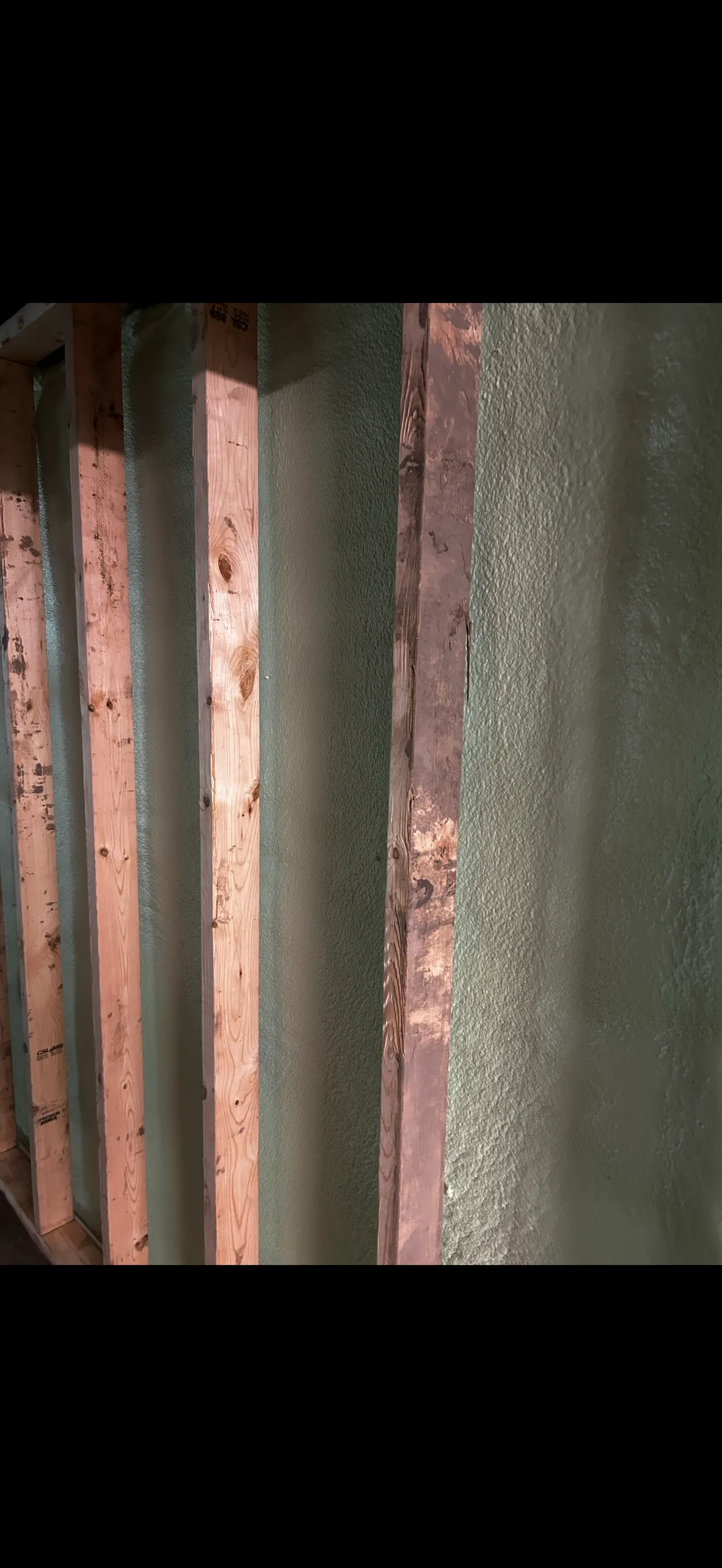
Why It Works
Rules of Thumb for Ontario Assemblies
- Walls (2x6 cavity): closed-cell reaches high R-values without furring out
- Basement walls: R-12 to R-18 typical — two to three inches of closed-cell
- Rim joists: two inches (about R-12) with vapour barrier built in
- Cathedral ceilings: foam hits code R-values in depths batts can't
- Metal buildings: two inches stops condensation; more if regularly heated
- SPF roofing: adds about R-6 per inch on top of the existing roof
FAQ
Common Questions
Up to code requirements, yes — beyond that, returns diminish and air-tightness matters more. A moderately insulated air-tight assembly outperforms a highly insulated leaky one. Foam gives you both in one product, which is the honest answer to most R-value debates.
Ready to get started?
Call (519) 324-6173